
A note about the challenges of an innovative society:
The production of too many useful things results in too many useless people.
— Karl Marx
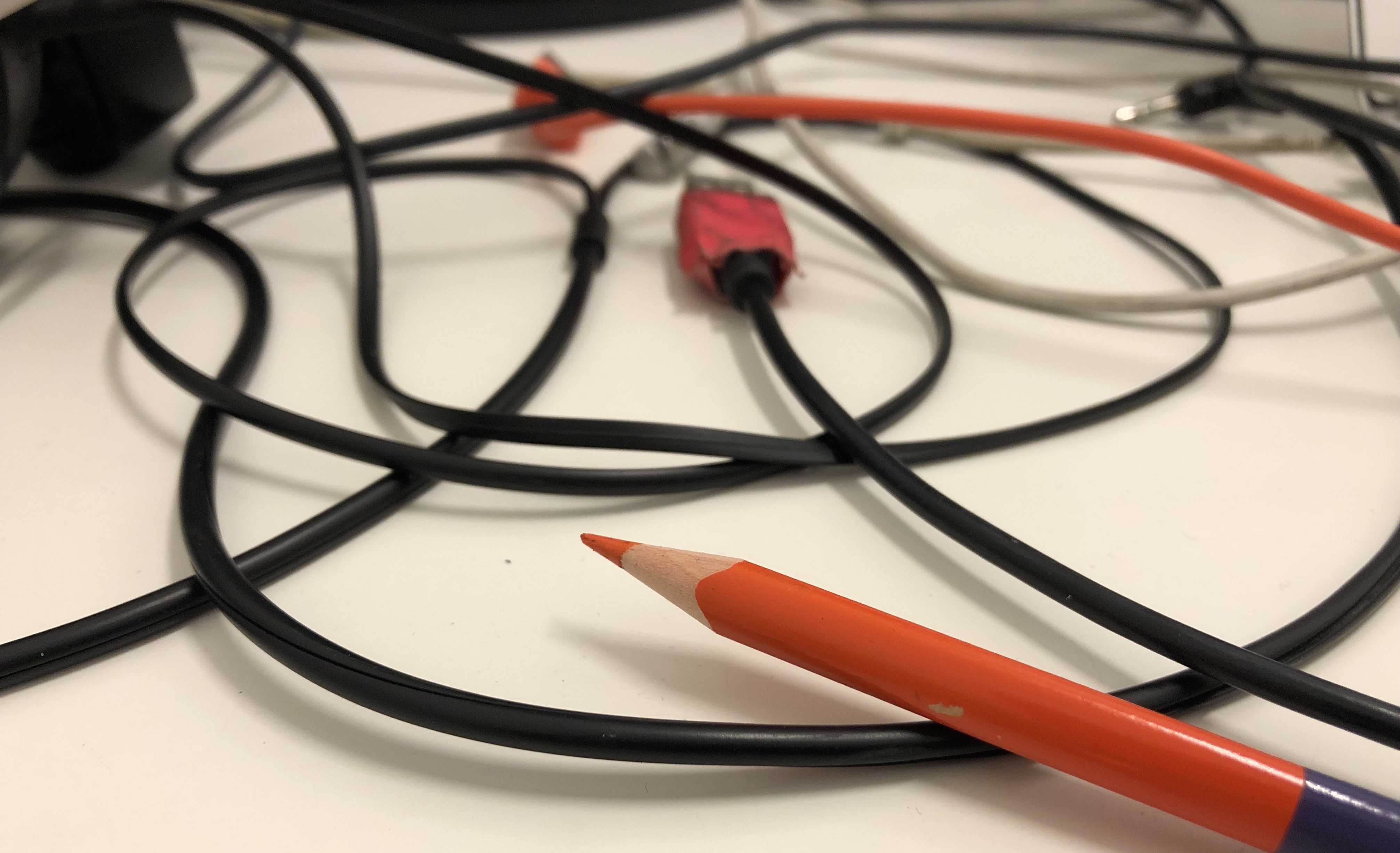
Probably not the quote one expects to find in the territories of designers (let alone in the world of new technologies and innovations), However – that’s exactly the place to discus this issue.
We may think about this quote as a prophecy, or a warning, of a future in which our very own great tech developments will “take over” the world, leaving us, humans, behind without control or meaning; The classic image is of mechanical robots “replacing” humans at their precious positions, in factories, restaurants, offices etc. Obviously, new technologies take other forms, not as visible, and we of course explored these futuristic scenarios during the last decades. Yet, let’s try to examine another aspect of this quote: the comparison, or more the contrast, of “things” versus “people”; those “too many useful things” are precisely our professional focus as designers, no? (so, it might be unpleasant to think about them as “too many”, we aim to be useful, and to do good to this world).
How can we design less of those “things” and more sustainable systems that take into consideration our active place in the construction of our society? How can design provide smarter systems that do not pollute our space with more waste?
These were the design questions we had in the early 2000’s, (“Cradle to Cradle” and such) – but the shocking thing is that even-though we fell the urgency back then, it has been 20 years and the majority of production industries did not improve in this direction. The saddest thing for me, is that in popular culture these ideas are far from practice – usually’ still unknown or sometimes (worse) considered as a privilege that we couldn’t and shouldn’t afford.
Whose responsibility is it? the designers, the market, or maybe politicians?

 Subjective Objects